
Reduces winter heat loss
Up to a third of a home’s heat can escape through uninsulated walls. Cavity insulation slows this loss, keeping living areas warmer for longer and reducing the need for constant heating.
Cottles Bridge Wall Insulation
Expert Insulation Melbourne installs cavity wall insulation in Cottles Bridge to cut draughts and heat loss through brick veneer walls. Suitable homes are checked on site before work begins.
Share your details and Expert Insulation Melbourne will contact you about Cavity Wall Insulation in Cottles Bridge.
Cavity wall insulation fills the gap between the inner and outer leaves of brick veneer walls with insulating material through small holes drilled from outside. It is one of the most effective ways to stop winter heat loss and summer heat gain through external walls in Cottles Bridge homes.
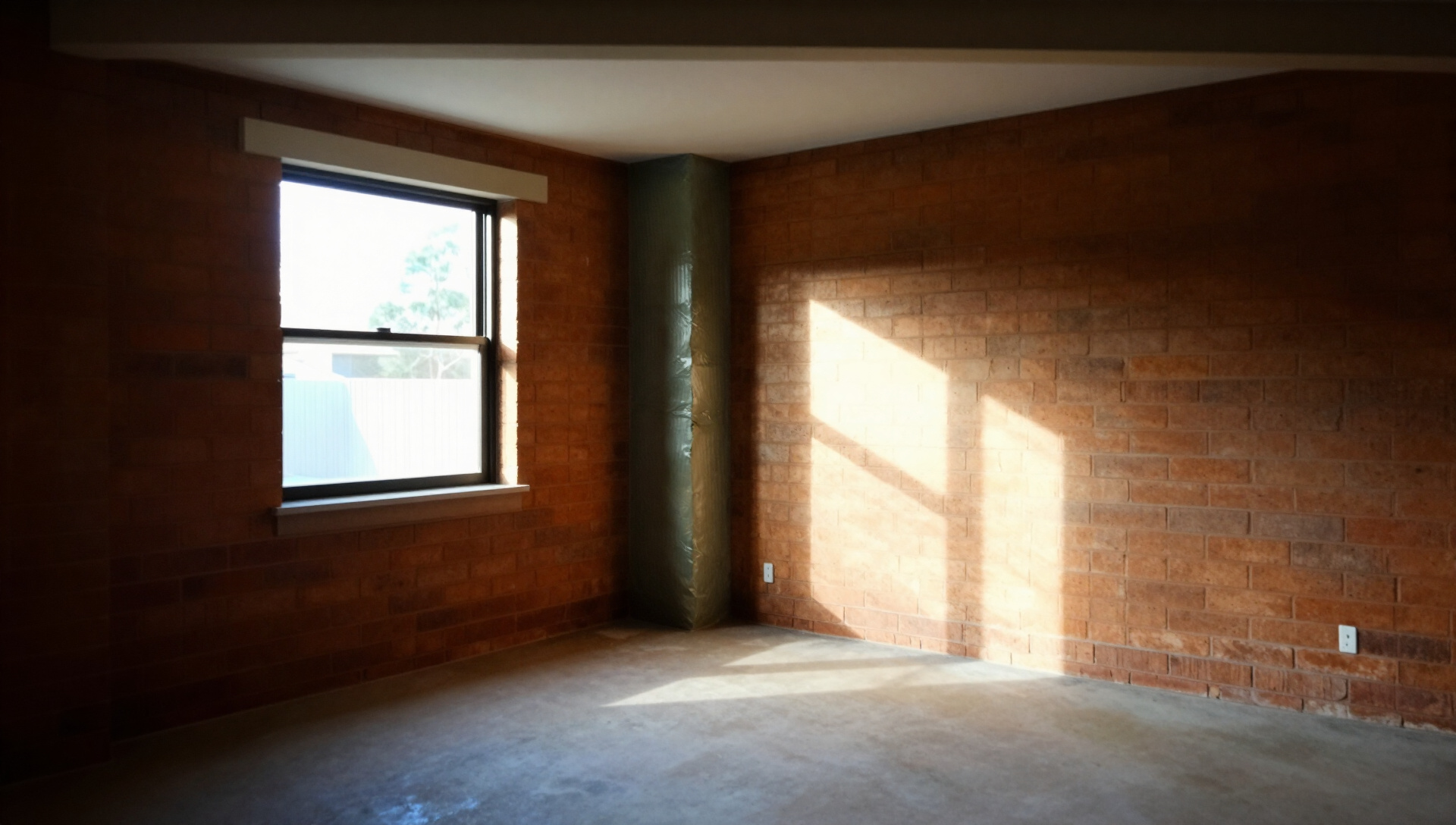
Brick veneer homes in Cottles Bridge often have uninsulated wall cavities that let cold air in during winter and heated air escape. Filling the cavity with insulation improves comfort and lowers heating and cooling costs.
Up to a third of a home’s heat can escape through uninsulated walls. Cavity insulation slows this loss, keeping living areas warmer for longer and reducing the need for constant heating.
The same cavity that lets heat out in winter lets hot air in during summer. Insulation reflects and absorbs radiant heat, easing the load on air conditioners during Cottles Bridge heatwaves.
Gaps around bricks and mortar allow cold draughts to enter. Cavity insulation blocks these air leaks, making rooms feel more consistent and comfortable.
Work is done from outside the home. Only small holes are drilled in the mortar between bricks, then filled and colour-matched, leaving no trace inside.
Unlike wall batts, cavity insulation does not require removing plasterboard or wall cladding. It is ideal for established homes where internal access is difficult.
Quality cavity insulation materials do not settle or compress over time, maintaining their R-value and thermal resistance for the life of the building.
A site inspection first confirms the wall type and cavity width are suitable. If the home qualifies, the installation follows a precise process to ensure full coverage and minimal visual impact.
A technician checks the wall construction, cavity depth and moisture levels. Brick veneer is usually suitable, while some double brick or moisture-prone walls may not be. If old insulation is present and may contain asbestos, work stops until a qualified assessor inspects it.
Small holes are drilled in the mortar joints at regular intervals around the exterior. These provide entry points for the insulation material without damaging the bricks.
Loose-fill or foam insulation is injected into the cavity under controlled pressure to ensure even distribution and full fill. The material is chosen to suit the cavity width and local climate conditions.
Access holes are plugged with matching mortar and colour-matched to the existing brickwork. The exterior is left clean, with no visible signs of the work once complete.
Cottles Bridge sits in Melbourne’s outer north-east, where cold winters and hot summers make effective wall insulation essential. Many homes in the area are brick veneer, built with a cavity that can be filled to improve thermal performance. Cavity wall insulation is a practical upgrade for these properties, reducing energy use and improving comfort without major renovations.
Expert Insulation Melbourne installs cavity wall insulation in Cottles Bridge to stop draughts and heat loss through brick veneer walls.
Homeowners in Cottles Bridge often ask about suitability, process and results. Here are the most common questions about cavity wall insulation.
Cavity wall insulation in Cottles Bridge is a non-invasive way to improve the thermal performance of brick veneer homes. By filling the air gap between the inner and outer wall leaves with insulating material, it reduces heat transfer through the walls, cutting heating and cooling costs. This is particularly valuable in Cottles Bridge, where temperature swings between seasons are significant.
The process begins with a suitability check, as not all wall types can be insulated this way. Brick veneer is typically ideal, while double brick may require alternative solutions. If the cavity is clear and dry, small holes are drilled in the mortar, and insulation is injected to fill the space completely. The holes are then sealed, leaving the exterior unchanged.
Cavity wall insulation complements ceiling and underfloor insulation by addressing another major path for heat loss and gain. For Cottles Bridge homes with brick veneer walls, it is one of the most cost-effective upgrades to improve year-round comfort and energy efficiency.
Expert Insulation Melbourne provides cavity wall insulation for Cottles Bridge homes. Call 0399695249 or email info@expertinsulationmelbourne. com. au to arrange a suitability inspection.