
Lower Heating and Cooling Costs
Insulated walls slow the movement of heat, keeping warmth inside during Cottles Bridge winters and blocking summer heat. This reduces the workload on heaters and air conditioners, cutting energy use and power bills.
Wall Insulation
Wall insulation in Cottles Bridge cuts winter heat loss and summer heat gain through external walls. We install glasswool, polyester or rockwool batts into open stud frames during renovations or new builds for better thermal resistance and noise reduction.
Share your details and Expert Insulation Melbourne will contact you about Wall Insulation in Cottles Bridge.
Wall insulation in Cottles Bridge is fitted into the open stud frames of external walls to slow heat transfer. This is most practical during renovations, extensions or new builds when the wall cavities are exposed. Batts made from glasswool, polyester or rockwool are cut to fit snugly between the studs, creating a continuous barrier that improves thermal resistance and reduces noise from outside.
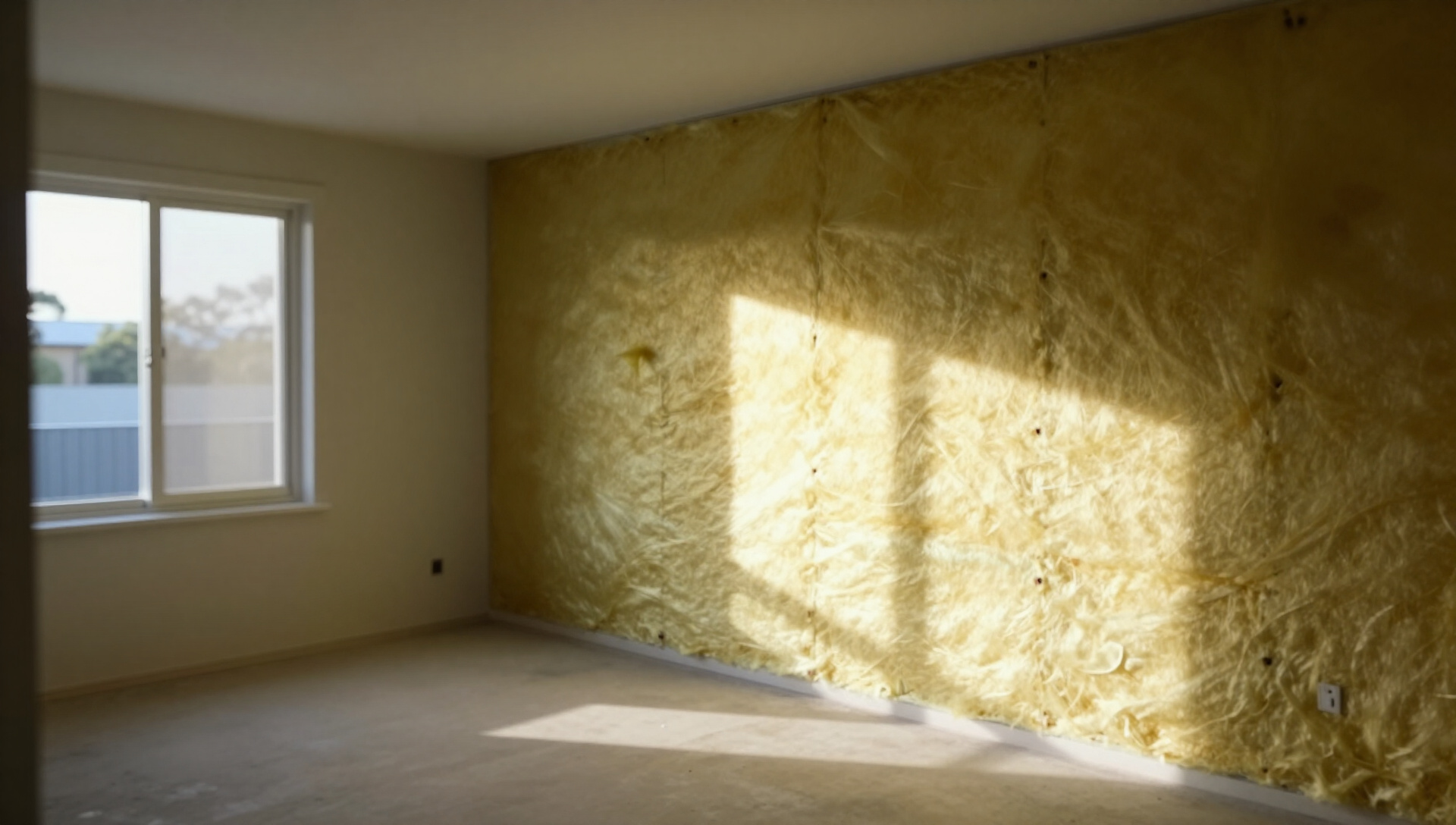
Cottles Bridge homes experience cold winters and hot summers, making wall insulation a cost-effective way to stabilise indoor temperatures. Properly installed batts in external walls reduce reliance on heating and cooling, lower energy costs and dampen outside noise.
Insulated walls slow the movement of heat, keeping warmth inside during Cottles Bridge winters and blocking summer heat. This reduces the workload on heaters and air conditioners, cutting energy use and power bills.
Batts in external walls create a more even temperature throughout the home. Rooms stay warmer in winter and cooler in summer, eliminating cold spots near walls and reducing draughts.
Dense insulation materials absorb sound vibrations, reducing traffic noise, wind and other outdoor sounds. This is especially valuable for homes near main roads or in busier parts of Cottles Bridge.
Properly installed wall batts help manage moisture by reducing temperature differences that cause condensation inside walls. This protects the structure and improves indoor air quality.
Quality batts maintain their thickness and R-value over time when installed correctly. They do not settle or compress like old ceiling insulation, ensuring consistent thermal resistance.
Wall insulation suits timber-framed weatherboard, brick veneer and reverse brick veneer homes in Cottles Bridge. It is installed before the internal lining goes up, making it ideal for renovations and new builds.
Wall insulation is installed while the wall cavities are open during construction or renovation. The process is straightforward and causes minimal disruption when planned as part of the build schedule.
We check the stud spacing and wall depth to confirm the correct batt size and R-value. This ensures a snug fit with no gaps that would reduce thermal performance.
Batts are chosen based on your thermal and acoustic needs, then cut to the exact width of the studs. Glasswool, polyester and rockwool options are available, with typical R-values from R2.0 to R2.7 for walls.
Batts are friction-fitted between the studs from the inside before the plasterboard or lining is installed. They are placed tightly against the external wall to eliminate air gaps and thermal bridges.
Once all batts are in place, the internal lining is fixed over them. We ensure no insulation is left exposed and that all edges are sealed to prevent draughts.
Cottles Bridge is a semi-rural area in Melbourne’s north-east with a mix of older weatherboard homes and newer builds. Many properties are surrounded by bushland, which can make temperature control more challenging. Wall insulation helps these homes stay comfortable year-round by reducing heat transfer through external walls, which is especially important given the area’s exposure to cold winters and hot summers.
Reduce heat loss and noise with wall insulation installed in open stud frames during renovations or new builds.
Homeowners in Cottles Bridge often ask about the best R-value for walls, whether insulation can be added to existing walls and how long the installation takes. Here are the answers to common questions.
Wall insulation in Cottles Bridge is installed into the open stud frames of external walls to improve thermal resistance and reduce noise. This service is most practical during renovations, extensions or new builds when wall cavities are accessible. Batts made from glasswool, polyester or rockwool are cut to fit snugly between studs, creating a continuous barrier that slows heat transfer.
For Cottles Bridge homes, wall insulation helps manage the area’s cold winters and hot summers by stabilising indoor temperatures. Properly installed batts reduce reliance on heating and cooling systems, lowering energy costs while also dampening outside noise. Typical R-values for walls range from R2.0 to R2.7, depending on the chosen material and wall depth.
The installation process involves measuring the stud spacing, cutting batts to size and friction-fitting them between the studs before the internal lining is fixed. This ensures no gaps or compression that could reduce performance. Wall insulation suits timber-framed, brick veneer and reverse brick veneer homes, making it a versatile solution for many Cottles Bridge properties.
Improve your home’s comfort and energy efficiency with wall insulation installed by Expert Insulation Melbourne. We work in Cottles Bridge and surrounding areas, fitting batts into open stud frames during renovations or new builds.